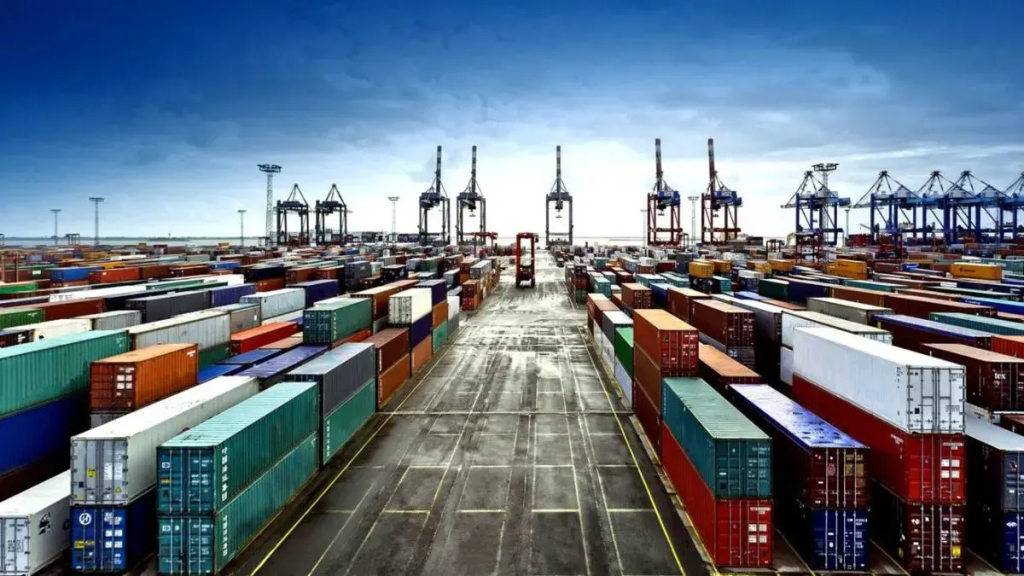
Cross-Staffing sea transportation is one of the most widely used methods of sea transportation used to transport goods and cargo between two ports through transit through a third port. This method of sea transportation has created many advantages in the communication sector of some countries and unions and is known as one of the most important methods of transportation in the world.
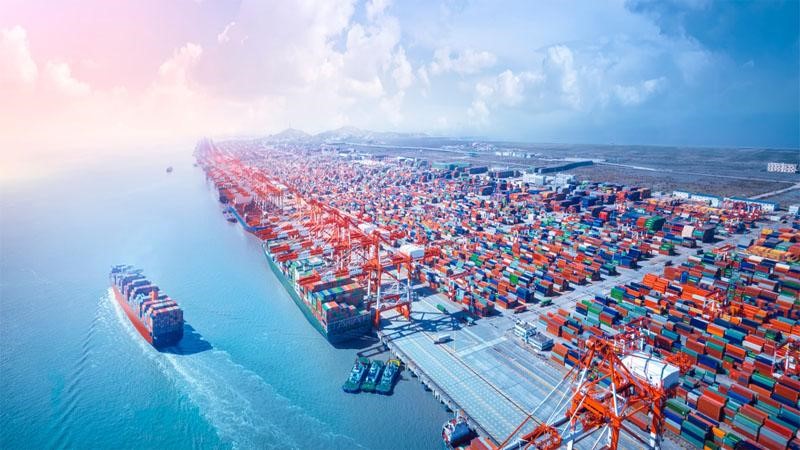
Cross-stuffing, in maritime transport terminology, means that the cargo is stopped at a third port during the journey from origin to destination and then unloaded from the container and reloaded into another container. In fact, cross-stuffing can also be called container swapping.
CFS stands for Container Freight Station, a warehouse or container station. This warehouse is related to the Jebel Ali Freezone. In such a place (or warehouse), goods are received from the sender for loading into a container or are delivered to the recipient after opening the container and separating its cargo. In this place, there are also facilities for general warehousing and movement of goods. It is also possible to carry out this operation in a private warehouse.
This method, which is considered one of the most important and well-known methods of maritime transportation and is widely used in this industry, is very widely used. Below we will mention some of the applications of this transportation method:
The cross-stuffing process usually takes place at Jebel Ali Port, which belongs to the UAE. To carry out this operation, the bill of lading, packing list, invoice, certificate of origin and other required documents must be issued in the name of the trading company in the UAE. Note that the original documents of the bill of lading must be provided to the Emirati company before the cargo arrives in Jebel Ali. After the goods arrive and the cross-stuffing operation and customs formalities are completed, the cargo is cleared by the Emirati trading company and exported to the final destination. The approximate time for the cross-stuffing operation is 1 to 2 days.
The cross-stuffing method is used for goods that cannot enter the country directly due to sanctions or the shipping company is unable to provide service in Iran through shipping lines in Iranian ports. In this case, the shipments enter the ports using the cross-stuffing method.
In general, cross-stuffing costs are higher than other transportation methods. Cross-stuffing costs vary and depend on a variety of factors. The type of packaging, the nature of the goods, and the need for special equipment and permits for the cargo all affect cross-stuffing transportation costs. In addition, a cost called transportation costs and cross-stuffing operation costs are added to these costs. On average, cross-stuffing costs for each 20-foot container cost about $300 to $400, and this cost increases as the amount of cargo increases.
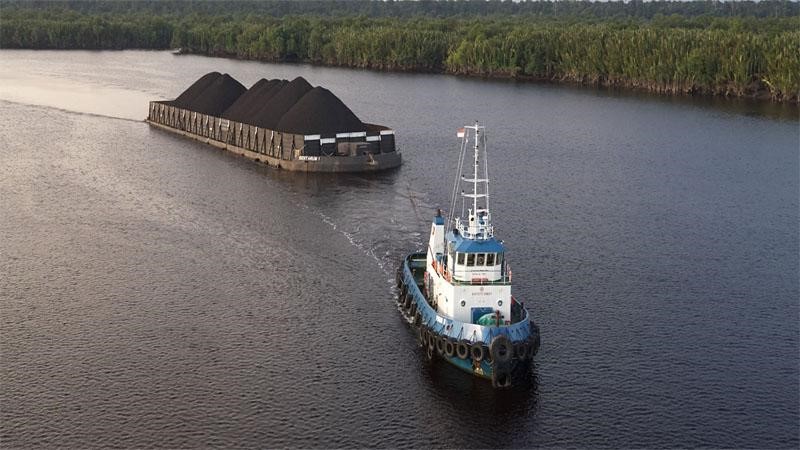
In cross-stuffing, the contents of containers are unloaded and loaded into containers on another ship, while in transshipment, the container carrying the cargo is transferred from one ship to another.
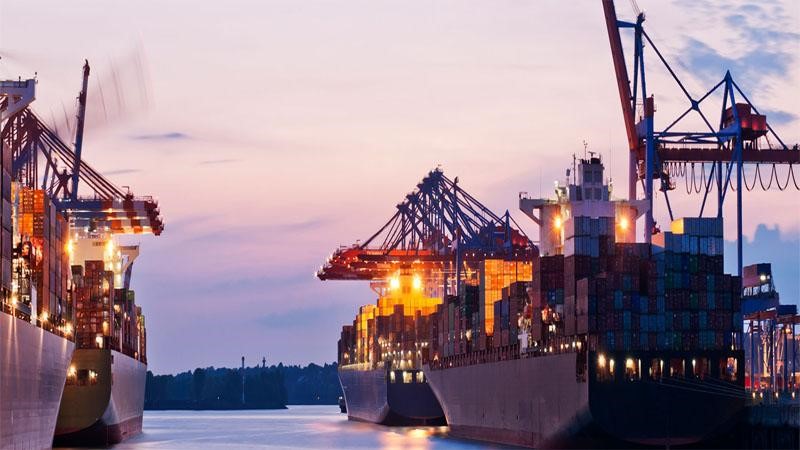
The most important thing you should know before choosing this method to transport your goods is that if you use this method to circumvent sanctions and import banned and prohibited goods, there is a high possibility that the shipment will be seized in a third country and may even cause significant damage.
One of the important points that needs to be considered in cross-staffing is that the ships carrying cargo in this operation must have all the special equipment and cranes so that they do not encounter problems in moving the cargo, which is why this method is more expensive than other transportation methods.
Another point you should know is that due to the high cost of cross-stuffing operations, the prices of goods imported into the country in this way are relatively high.
Regarding the cross-stuffing process, maintaining the health of the goods plays a vital role, because if the slightest error occurs, heavy losses will be incurred to the shipment.
So be sure to research the company performing the cross stuffing before you do it. You can also ask your forwarder to take photos of the operation for more certainty.
Ultimately, cross-staffing sea freight is an efficient and profitable method of international transportation. This method has its own advantages, disadvantages, and challenges that greatly help companies in successfully transporting goods and cargo to their final destination. However, to make the most of this method, careful attention and coordination between companies and ports along with comprehensive and practical planning should be done. You can also take help from reputable transportation and logistics companies to expedite the transportation of goods and equipment.