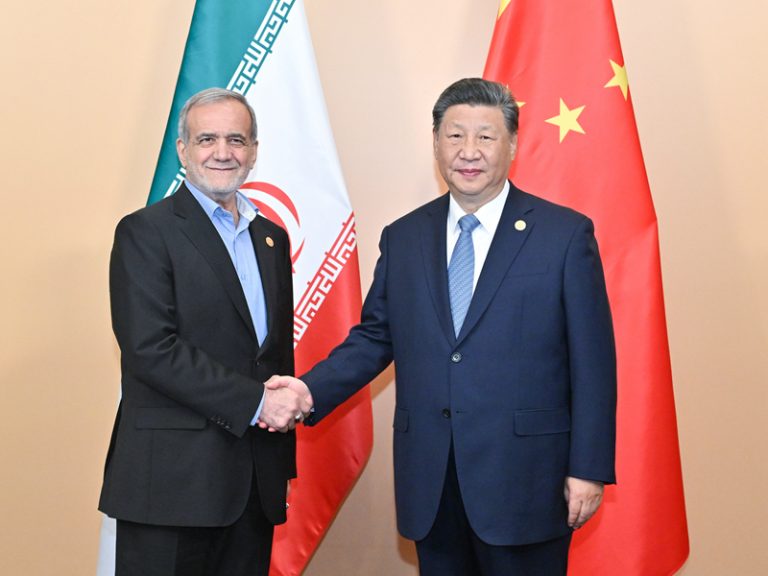
With the activation of the trigger mechanism and the return of UN sanctions, Iran has found itself in a challenging economic situation; however, the continued export of oil to China and the use of complex networks to bypass restrictions show that Tehran has been able to largely maintain its oil revenue path and is ready to confront international pressures.
In recent months, Iran has been able to increase its oil exports to 1.8 million barrels per day, about 22% higher than the 2024 average. This increase is largely due to high Chinese demand for cheap Iranian oil.
However, some reports suggest that Iran is storing oil at sea. According to satellite data and tanker tracking companies, the volume of Iranian oil stored at sea has increased by about 30 million barrels since the beginning of 2025. This indicates a gap between the volume of oil loaded from Iranian oil terminals and the amount delivered to end customers, mainly in China.
In addition to oil purchases, China is an important partner for Iran in other economic areas. Cooperation in large infrastructure projects, the creation of alternative financial networks, and investment in industrial sectors allow Iran to reduce its dependence on Western sanctioned markets. This level of support is not just simple economic assistance, but also a sign of the strategic alliance and the willingness of the two countries to maintain a long-term relationship in difficult circumstances.
Site blog
Explore the latest content
Megaproject of transformation and modernization in Iranian Customs
There are 6 economic megaprojects on the agenda of the Ministry of Economic Affairs and Finance, one of which is the Customs Transformation and Modernization Megaproject.
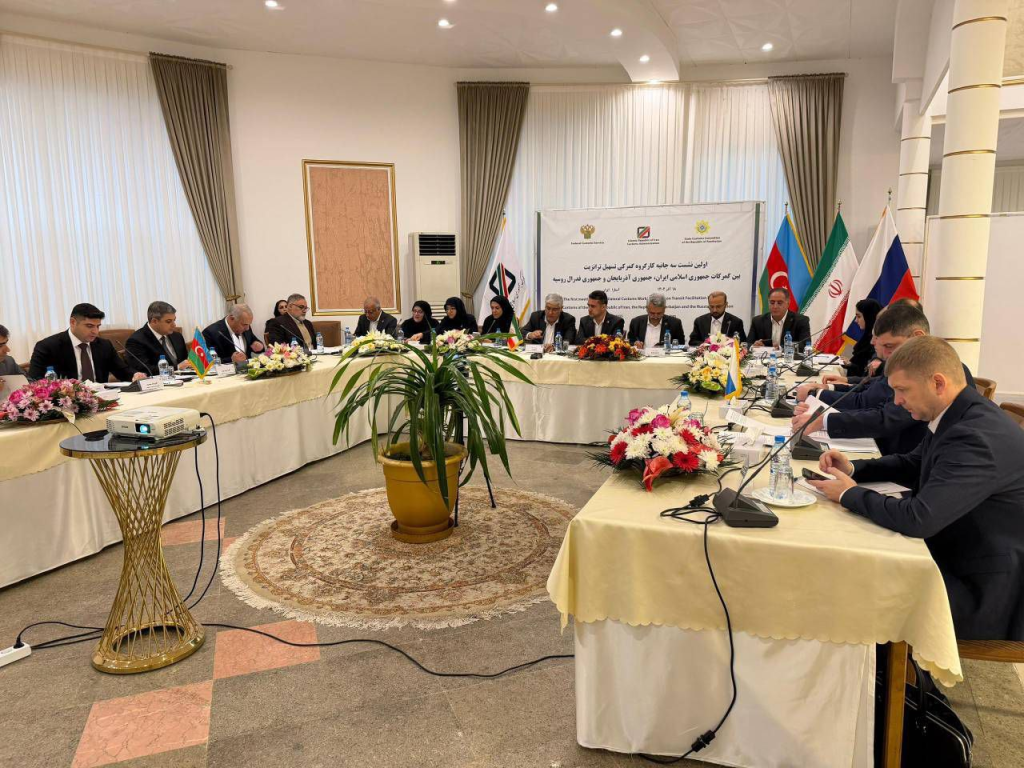
Iran, Azerbaijan and Russia’s plans to facilitate transit and increase trade volume
Holding the first trilateral customs working group meeting between customs officials of Iran, Russia and Azerbaijan/ Plans of the 3 countries to facilitate transit and increase the volume of trade exchanges
The Customs Export Office issued a circular to the country’s executive customs authorities to remove virtual water duties from five products: dates, pistachios, figs, grapes, and tea.
Iranian Customs offers various facilities to its employees through the Authorized Customs Economic Operators Program with the aim of speeding up customs procedures.
The Customs Export Office issued a circular to the country's executive customs authorities to remove virtual water duties from five products: dates, pistachios, figs, grapes, and tea.
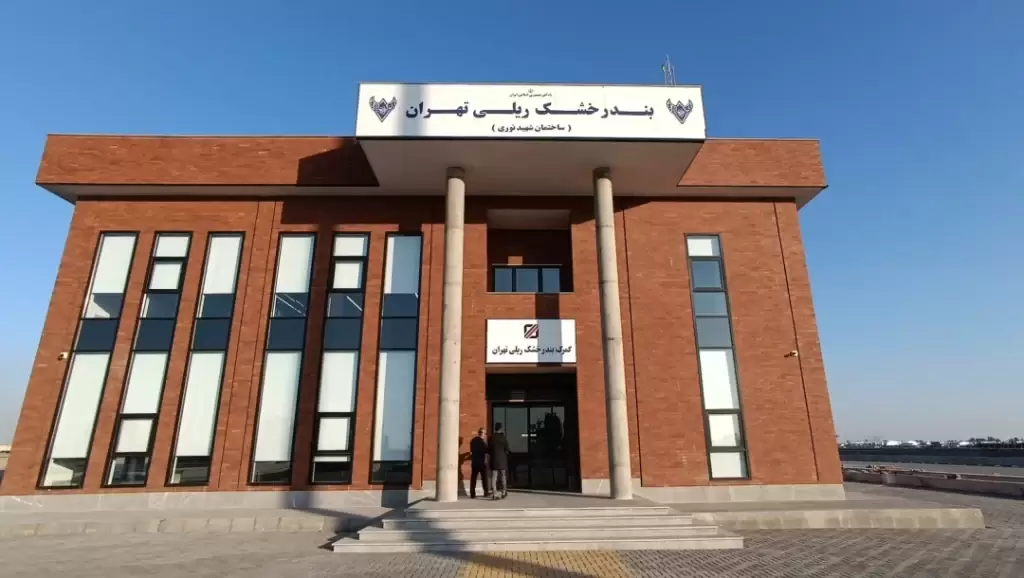
The first Russian freight train arrived at Bandar Khosk station
The first Russian freight train entered the country via the Turkmenistan rail route through the Inchebrun border and was welcomed by the Islamic Republic of Iran Railways officials and the port managers at Bandar Khosk,...